
 Kia Sorento: TPMS Receiver Description
Kia Sorento (XM, 2011-2015) Service Manual / Suspension System / Tire Pressure Monitoring System / TPMS Receiver Description
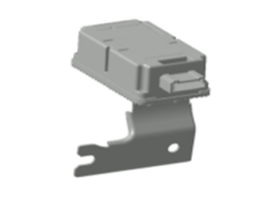
| 1. |
Mode
|
| 2. |
Overview
|
Sensor Fit
...
 TPMS Sensor Installation
1.
General Function
A.
Auto learn takes place only once per Ignition cycle.
B.
On successful completion.
...
 TPMS Receiver Operation
See also:
Components of the Tire Mobility Kit. Using the Tire Mobility Kit
Components of the Tire Mobility Kit
Connectors, cable and connection hose are stored in the compressor housing.
Connectors, cable and connection hose are stored in the compressor housing.
...
Removal
Replacing an on/off solenoid valve (SS-A, SS-B) does not require
additional hydraulic pressure adjustment; however, the ...
Variable Force Solenoid (VFS) Description and Operation
Description
•
Continuous Variable Valve Timing (CVVT) system advances or retards the valve timing of the intake an ...
Manuals list
- Kia Sorento MQ4 2021-2026 Owners Manual
- Kia Sorento XM 2011-2015 Owners Manual
- Kia Sorento XM 2011-2015 Service Manual

Copyright © xm.ksmanual.com 2014-2026 - 0.0552